
In 21st century, being a foodie has become a hobby for many youngsters. Well, if you are new to this term than oxford dictionary meaning of foodie is “a person who is very interested in cooking and eating different kinds of food.” We almost forget the part “cooking” and almost always misunderstanding the “different kinds”. I have my own opinion about this hobby but before I tell you that, let’s discuss our relationship with food first.
Relationship with food
When food’s primary role was survival, becoming a “foodie” might seem counterintuitive. However, the evolution from seeing food as merely sustenance to appreciating it for pleasure and variety is a natural progression that reflects broader human development. While there are several non-biological developments such as economical, globalization, social that led to more resources and variety of food; there are also biological developments driven by curiosity. Humans are innately programmed to seek out diverse foods to ensure a balanced diet, and this biological imperative can lead to a deeper interest in and enjoyment of food. In short, even if we are smart enough to forgo society pressure; we are biologically “changed” to be more interested in variety of food. Well, it means being a foodie was inevitable; or is it ?
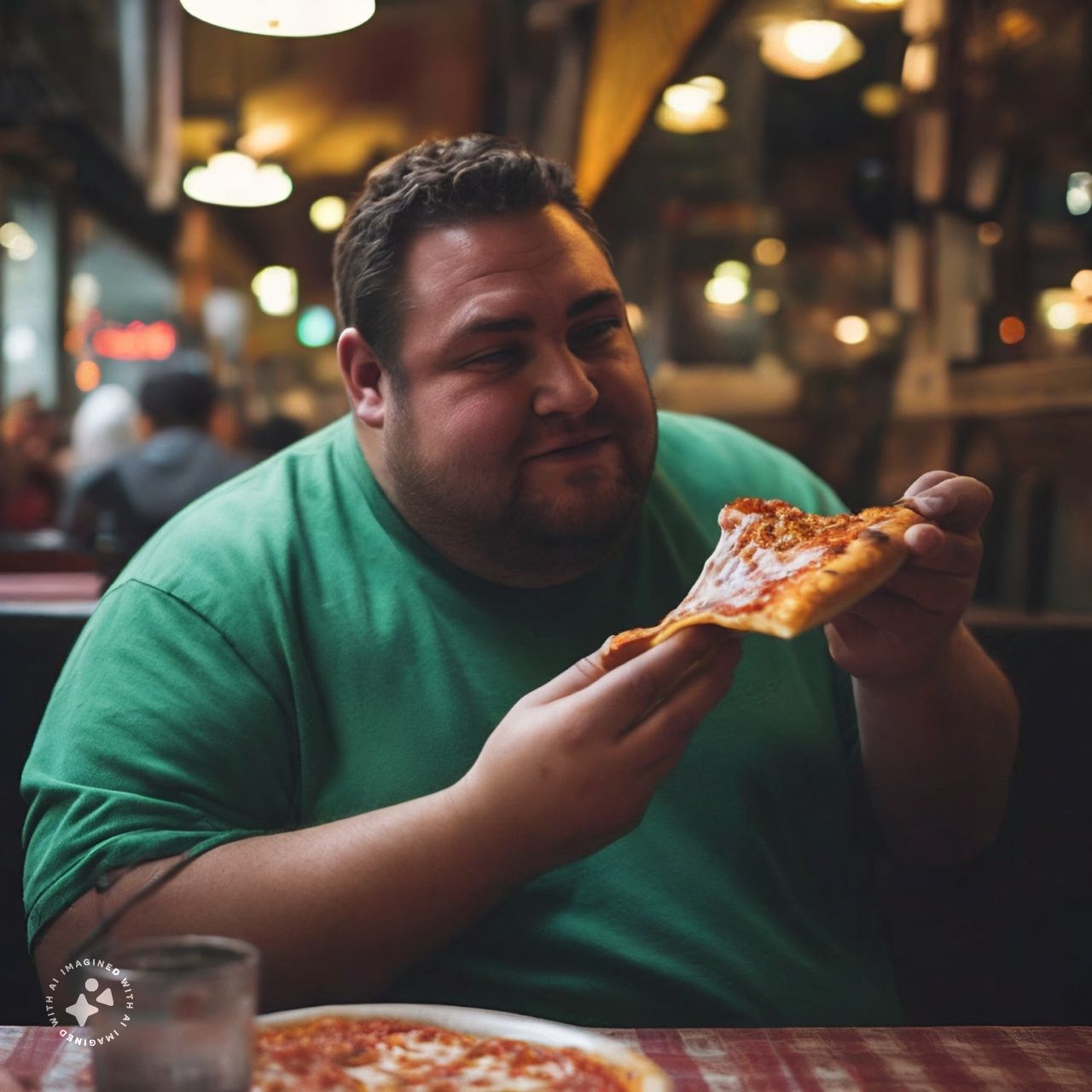
The term “foodie” often seems misunderstood in our fast-paced, trend-driven culture. While many of us enjoy exploring the latest culinary crazes, this enthusiasm doesn’t always equate to a deep understanding of food culture and history. Being a foodie is commendable if you’re passionate about trying and cooking new dishes. However, let’s consider whether merely sampling different cuisines—without engaging in the cooking process—fully embodies the essence of a foodie. For instance, savoring a New York pizza slice at a restaurant is delightful, but does it qualify one as a foodie, or is it simply enjoying a meal out?
It’s crucial to recognize that people engage with food in various ways. Some might relish the art of cooking at home, experimenting with flavors like a Moroccan tagine or a Japanese ramen from scratch. Others, due to constraints like limited kitchen space or hectic schedules, might explore their culinary passions by seeking out hidden gastronomic gems in their city. Both experiences offer valid and enriching ways to appreciate food.
I promised you my opinion

I firmly believe that categorizing this as a hobby isn’t appropriate for everyone. It’s fine as a profession, but for the majority, it’s merely an excuse to indulge in more and varied foods. If you remove the ‘cooking’ element, it arguably becomes one of the most straightforward hobbies to maintain daily. But ask yourself, are any truly rewarding hobbies that easy? Genuine hobbies demand discipline and commitment. Sure, a hobby is technically “an activity that you do for pleasure when you are not working,” but if you’re not fully engaged, aren’t you just deceiving yourself? It’s akin to claiming that watching TV is a hobby. So, when you next declare your hobbies, consider this: hobbies evolve into habits, and those habits eventually define you. Be mindful of what you choose to embrace.
