
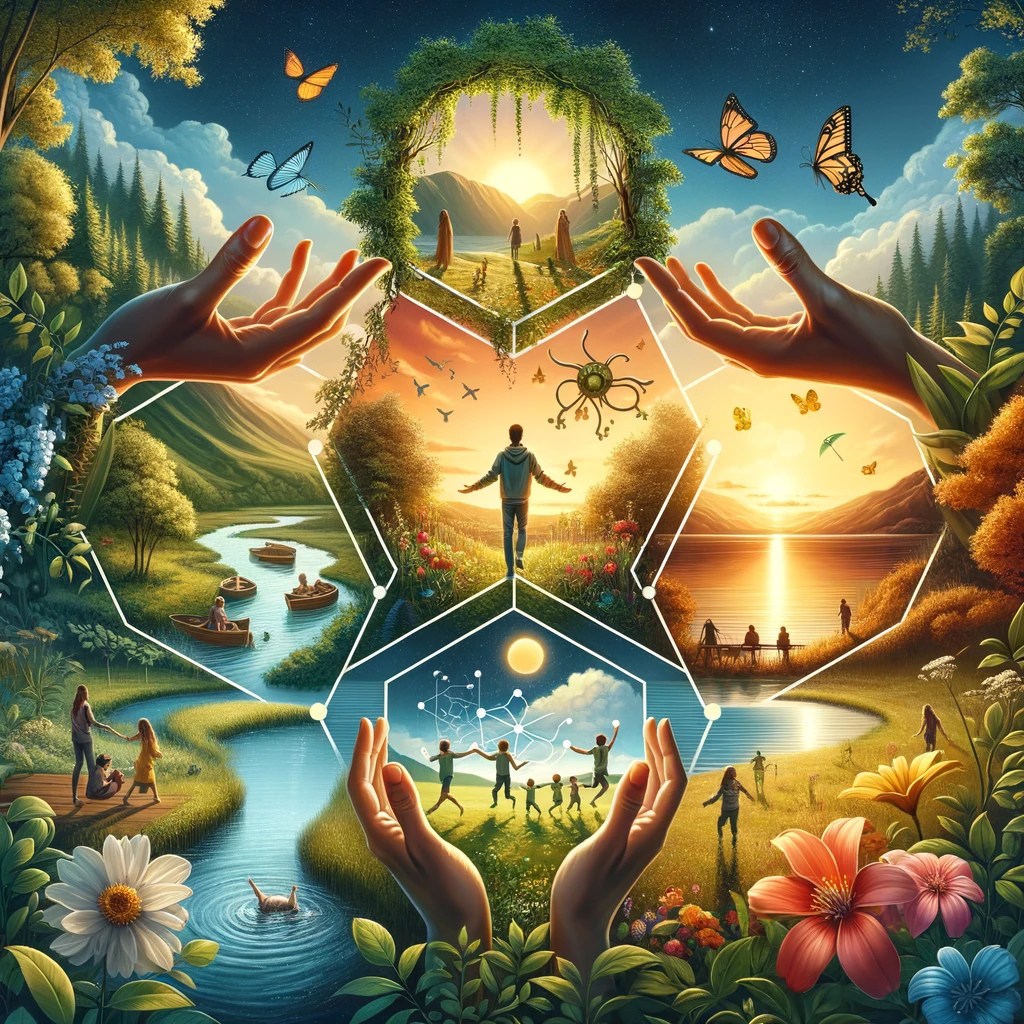
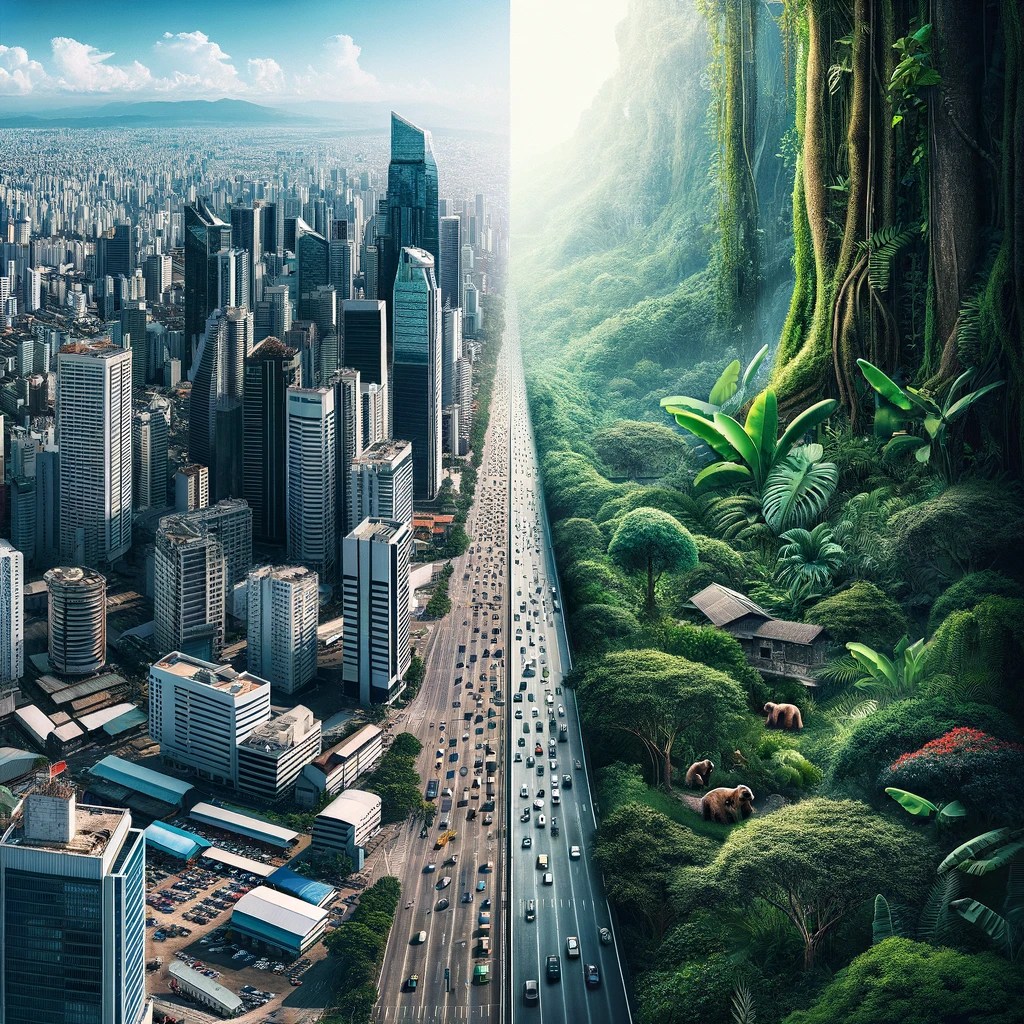
Over millions of years, humanity has evolved from living in the untamed wilderness of jungles to constructing concrete jungles that dominate our landscapes. This transformation has brought about significant changes in how we interact with our environment, particularly in our relationship with nature. Our ancestors, who once found shelter under the canopies of vast forests, are now distant memories, replaced by modern humans who seek solace within the confines of their concrete homes. But does this shift signify an increase in happiness? Let’s delve into this question by examining our connection with nature, specifically trees, and its implications on our well-being.
The Distance from Green
As we have progressed, a noticeable trend is the increasing distance between humans and nature. The majority of the population now lives in environments where greenery is scarce. Although some individuals make efforts to integrate plants into their homes or cultivate gardens if resources allow, this practice is not universal. This inclination towards incorporating elements of nature into our living spaces, even when they don’t provide direct benefits like food, suggests a deeper, perhaps innate, connection to nature. Despite the absence of formal education on the importance of keeping plants indoors, there’s an underlying pull towards greenery. Yet, not everyone acts on this impulse. What then prevents a portion of our society from embracing nature in their daily lives?
The Happiness Connection
The hypothesis that proximity to nature enhances happiness is not unfounded. Nature, in its entirety, encompasses trees, rivers, mountains, and human connections. However, our modern lifestyle often prioritizes human relationships, sometimes to the detriment of our bond with the natural world. This disconnection is even more pronounced in Western societies, where community ties are weakening. By focusing on trees, we can explore a more accessible avenue for reconnecting with nature. Trees, after all, can be integrated into various living spaces, from small urban apartments to sprawling farmhouses outside metropolitan areas, making them an ideal starting point for rekindling our relationship with the environment.
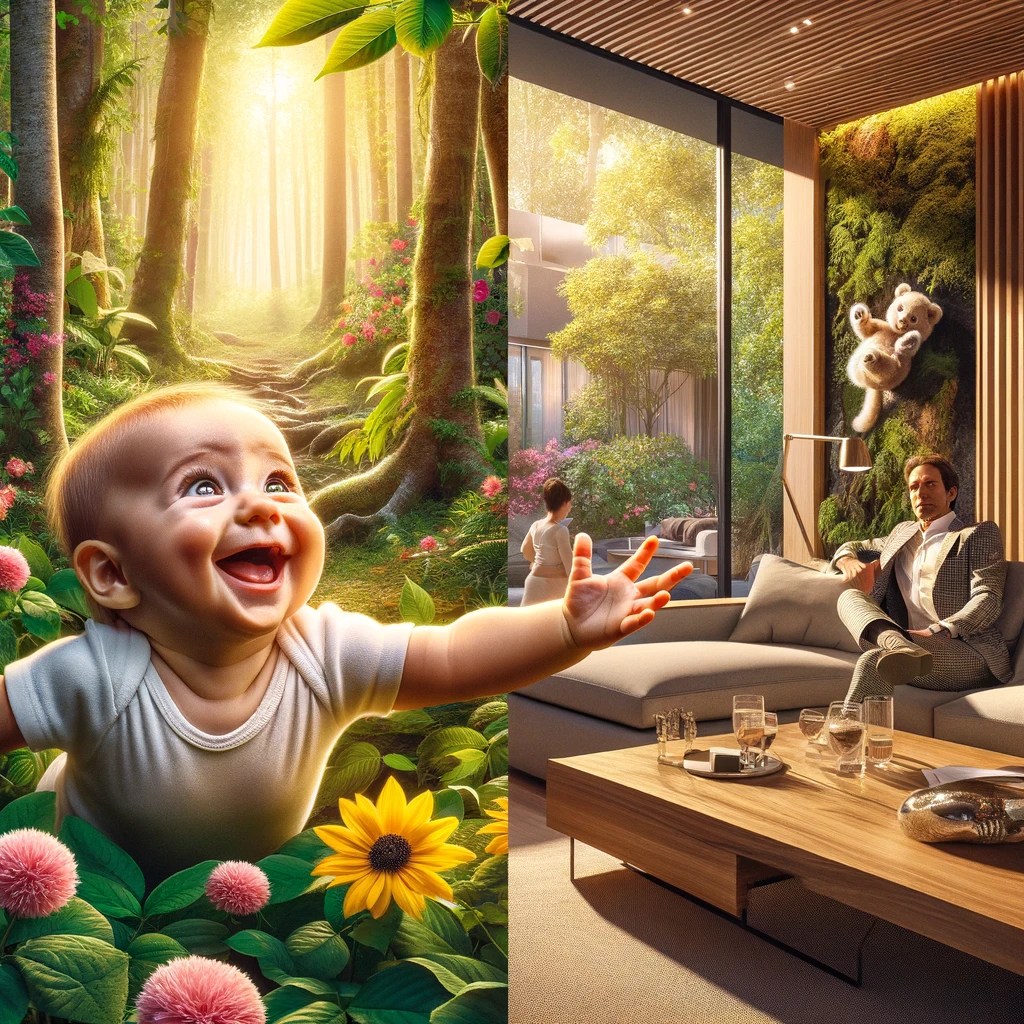
I challenge you to conduct a simple exercise to determine if humans truly find happiness in nature. Take a 1-year-old baby and walk them through a green garden. Let them touch the plants and trees. This will automatically bring happiness to their face. Repeat the same experiment inside a lavish house. A baby represents pure thoughts, untainted by schools or society.
Prioritizing Green: Conscious and Unconscious Efforts
The prioritization of green spaces can be observed in both conscious and unconscious actions taken by society. Celebrities, politicians, and government offices often showcase large houses with lawns, gardens, and tree-lined paths, highlighting a deliberate choice to incorporate nature into their environments. On the other hand, farmers, who work closely with the land, maintain an unconscious connection to greenery, stemming from their livelihood and the intrinsic value they find in nurturing the earth.
The Takeaway
Our journey from the jungle to the city has led to a disconnection from the natural world, potentially impacting our happiness. Despite the challenges of urban living, the desire to surround ourselves with greenery persists, indicating a fundamental need to connect with nature. Whether through conscious efforts like landscaping and gardening or through the unconscious practices of those living closer to the land, it’s clear that integrating nature into our lives has profound implications for our well-being. As we navigate the complexities of modern life, perhaps the key to happiness lies in rediscovering our bond with nature, starting with the simple act of planting a tree. Next time, when you feel sad or depressed, try to take a walk in nature.
Question I want to leave with you is – if we all are looking for happiness, then why do we not start by living in nature rather than urban houses ?
