
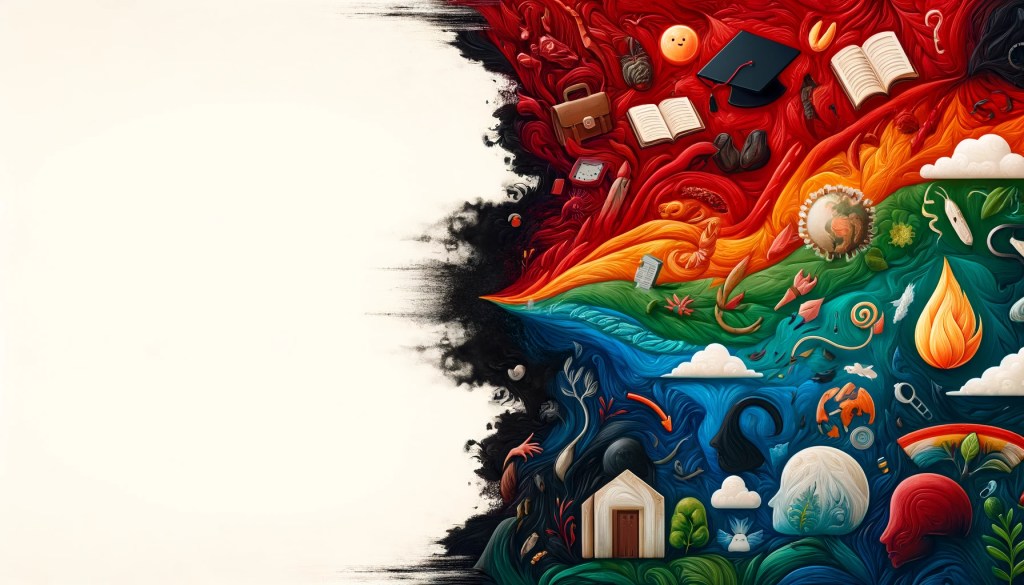
Life begins as a simple canvas, free of expectations and responsibilities. As we grow, this canvas becomes marked by the various experiences and challenges we face. Consider the typical journey of a person: a boy goes to school, strives for academic excellence, secures a job, and eventually builds a family. These stages are punctuated not just by achievements but also by inevitable wounds—emotional, physical, economic, and psychological.

From childhood to adulthood, the boy faces numerous trials: the anxiety of achieving good grades, the heartbreak of lost relationships, the relentless pursuit of a successful career, and the grueling hours spent fulfilling others’ expectations. Each phase of life brings its unique set of challenges. When he lands his dream job, he struggles with work-life balance; when he finds balance, he feels unfulfilled by his work. Even when everything seems perfect—rewarding job, satisfactory income, fulfilling relationships—he finds himself questioning the very purpose of his efforts.
This cycle of wounding and healing becomes a defining pattern. With each wound, there’s a temporary patch of happiness—perhaps a new car, a new relationship, or financial stability. Yet these moments are transient, and as they fade, they leave behind a sense of emptiness, a new wound in their wake.

In this continuous cycle, the speed of acquiring new wounds often surpasses the speed of healing. Over time, the cumulative burden of these unhealed scars weighs heavily, fostering a lingering sense of dissatisfaction and unfulfillment. Why, then, do we continue on this path? The answer often sought is a hope for something greater, a belief in a purpose or a state of eternal happiness that remains just out of reach.
Our protagonist sees others who appear successful and happy and strives to emulate them, only to find himself trapped in the same cycle of misery. With each attempt to find a better model to follow, he falls into the same patterns, driven by societal expectations and his quest for temporary joys.
As he grows older and reflects on his life, he recognizes that much of his existence has been about managing and healing wounds rather than truly enriching his life. This realization comes with its own set of questions and doubts about the choices he has made. Was following these desires truly what he wanted, or were they merely the result of societal influence?
In a profound moment of clarity, he understands that his life, thus far, has been less about enrichment and more about continuous recovery from self-inflicted wounds. He recognizes that he still has time to alter his course—to stop accumulating new wounds and allow the old ones to heal. Perhaps then, he can start to truly enrich his life, fulfilling the dreams he had as a child.
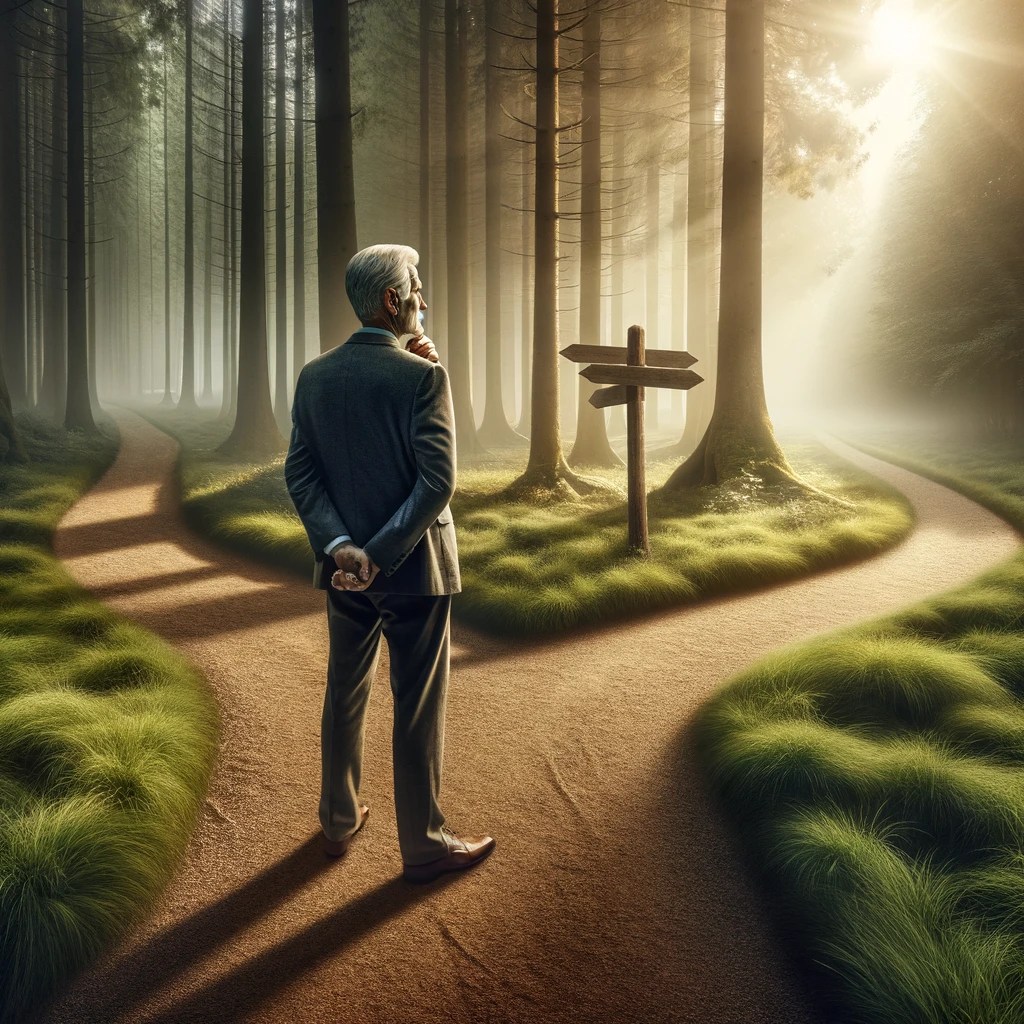
This realization brings with it fear: Is choosing a new path just another way to invite more wounds? Yet, it also offers a glimmer of hope. By changing his perspective and seeking not just to heal but to avoid unnecessary wounds, he might find the enrichment he has long sought. This journey—fraught with challenges, marked by introspection, and driven by the quest for a deeper understanding of life’s purpose—is one that many of us may find eerily familiar. It invites us to question not only our goals and desires but the very nature of happiness and fulfillment itself.

One response to “The Wounds of Life: A Story”
wonderfully written. Amazing analogy of mentioning those experiences/pleasures/moments as wounds.
LikeLike