

Discussions on books are always fascinating. One reader finds inspiration, another sees a cautionary tale, while someone else dismisses the book entirely. This is the beauty of perspective—each person’s experiences, knowledge, and biases shape how they interpret the same piece of writing. In one such discussion, an argument emerged that stood out:
The claim was that if they had a rare technology making them money, they would never sell it. Keeping it to themselves, they argued, would be the smartest move. But how flawed is this argument? It is built on several assumptions:
- You are different, and you know better than the buyer.
- You assume that the money it is making is the most money you can ever make.
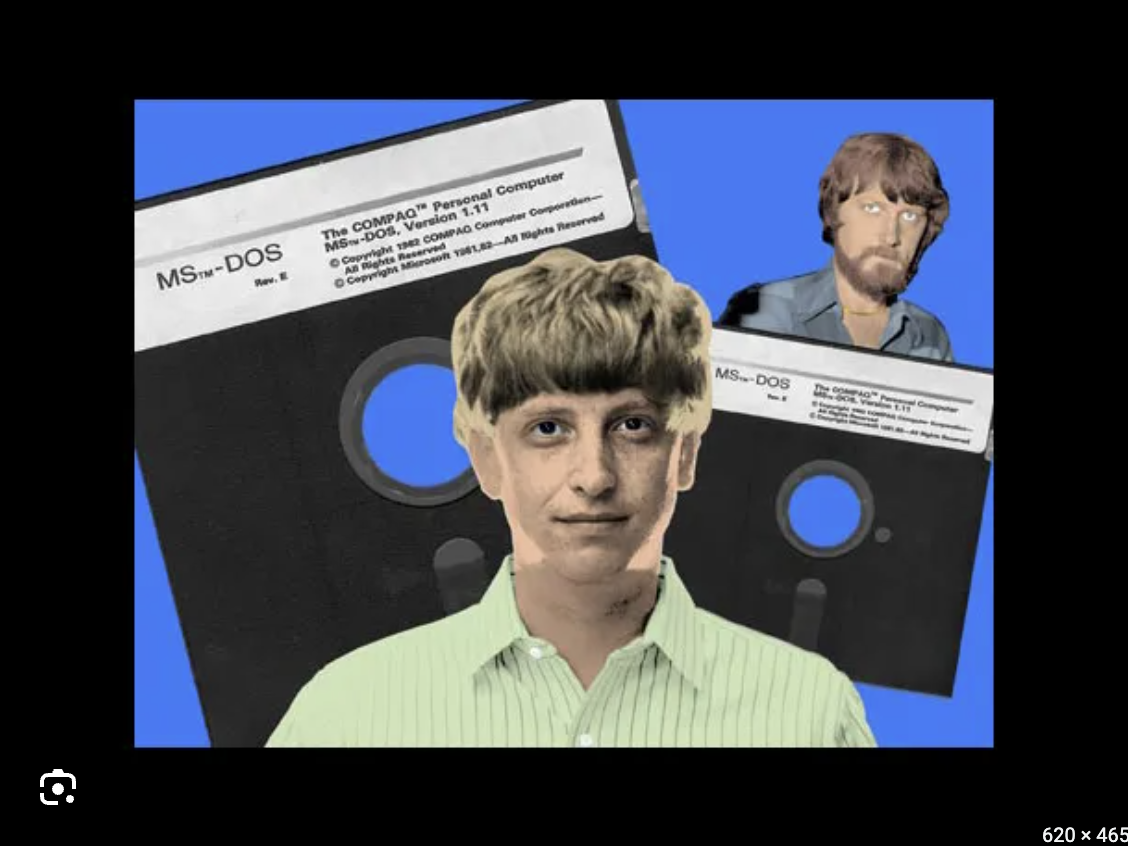
To counter this, I gave the example of Bill Gates, who, in 1980, acquired an operating system called QDOS for $50,000 from Seattle Computer Products (SCP). The seller was satisfied, believing it was a good deal. However, Microsoft went on to modify the system and licensed it to IBM for its first personal computer, paving the way for Microsoft’s dominance in the software industry. The seller was not wrong for selling, but the mistake was in assuming they fully understood the future potential of their creation.
The Limits of Our Knowledge
This teaches an important lesson: we do not know everything. We cannot perfectly predict what will be enough or what will lead to regret. The future remains uncertain, making it impossible to make flawless decisions. Instead of assuming we have all the answers, we should acknowledge the limits of our knowledge and remain open to new possibilities.
Many people set financial targets, believing they have a clear vision of what will bring them contentment—some say, “I will retire when I have $20 million,” while others set the mark at $1 million.
But those who have reached these milestones often find their targets shifting. What once seemed like “enough” transforms into something greater due to new aspirations, responsibilities, or uncertainties. This is not about being right or wrong; rather, it reflects how perspectives evolve over time. Recognizing this can help us approach our ambitions with more awareness and flexibility, rather than assuming we are immune to the same shifts in thinking.
How Do You Truly Do Something Different?
If we accept that we are not inherently different, the next question arises: how do we become different? Everyone wants to achieve something unique. People follow templates but still believe they are forging their own path. The first step to real differentiation is escaping the illusion that your actions are taking you in an unprecedented direction. The reality is, most of our paths have been walked before.
So, what can truly set you apart? Knowledge. Specifically, knowledge of history. Learning about those who have walked the path before you is crucial. If you have studied their journeys and still choose to walk that path, that is respectable. If you have not, then you should know.
Knowing what has already been done is knowledge. To truly be different, you must first acquire this knowledge. Learn more about humans, about history, and most importantly, about yourself.
The Power of Self-Knowledge
We often believe we must be different from others, but that is unnecessary. It is perfectly fine to live a life similar to others—provided we are under no illusion that we are unique. If you truly want to lead a different life, it can only come from authenticity. And authenticity can only come from self-knowledge.
Once you acquire self-knowledge, you never have to worry about which path to take. Your direction will emerge naturally, without effort. The key is to shift your focus from the external world back to yourself. When you do this, you will live a joyful life—not someone else’s life.
