
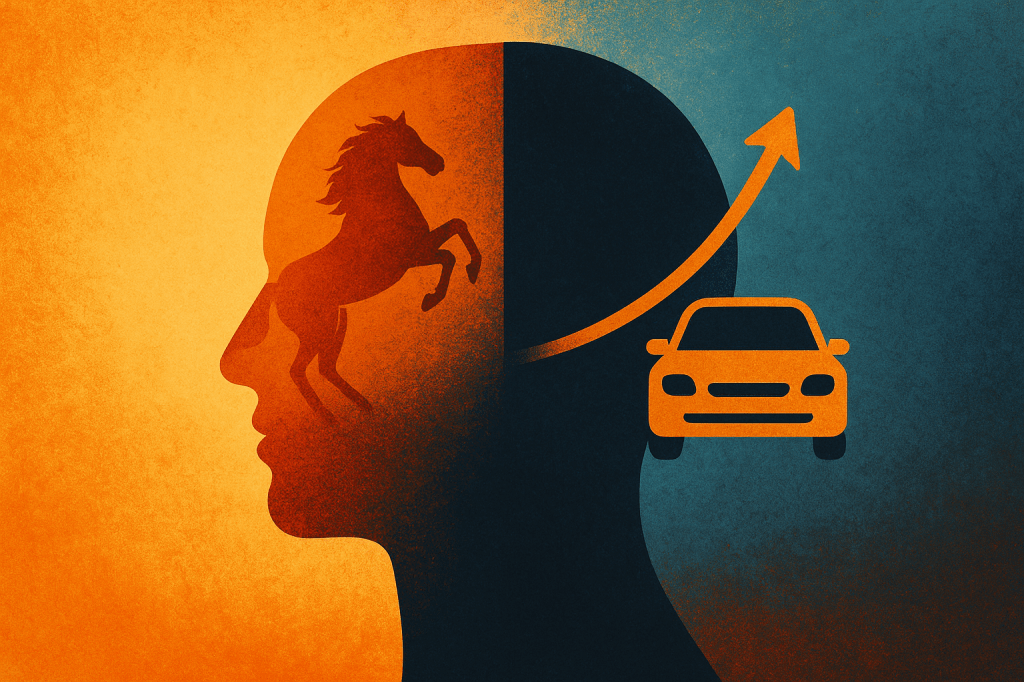
People once used horses to travel from one place to another. A horse rider had to be trained to control and manage a horse. An ordinary person couldn’t do this job. The rider had to help passengers sit properly because it wasn’t easy to sit on the back seat of a horse cart. The rider also had to guide the cart through traffic and know the way to the destination. In their time, they were highly skilled workers. No one could say their job was easy or replaceable without proper training. If they owned the horse, they also had to take care of it. Horse keeping was a completely different skill. The entire horse cart industry back in 1900, in the United States alone, was worth about $265 million (equivalent to over $9 billion today). It was a complex job done by trained people.
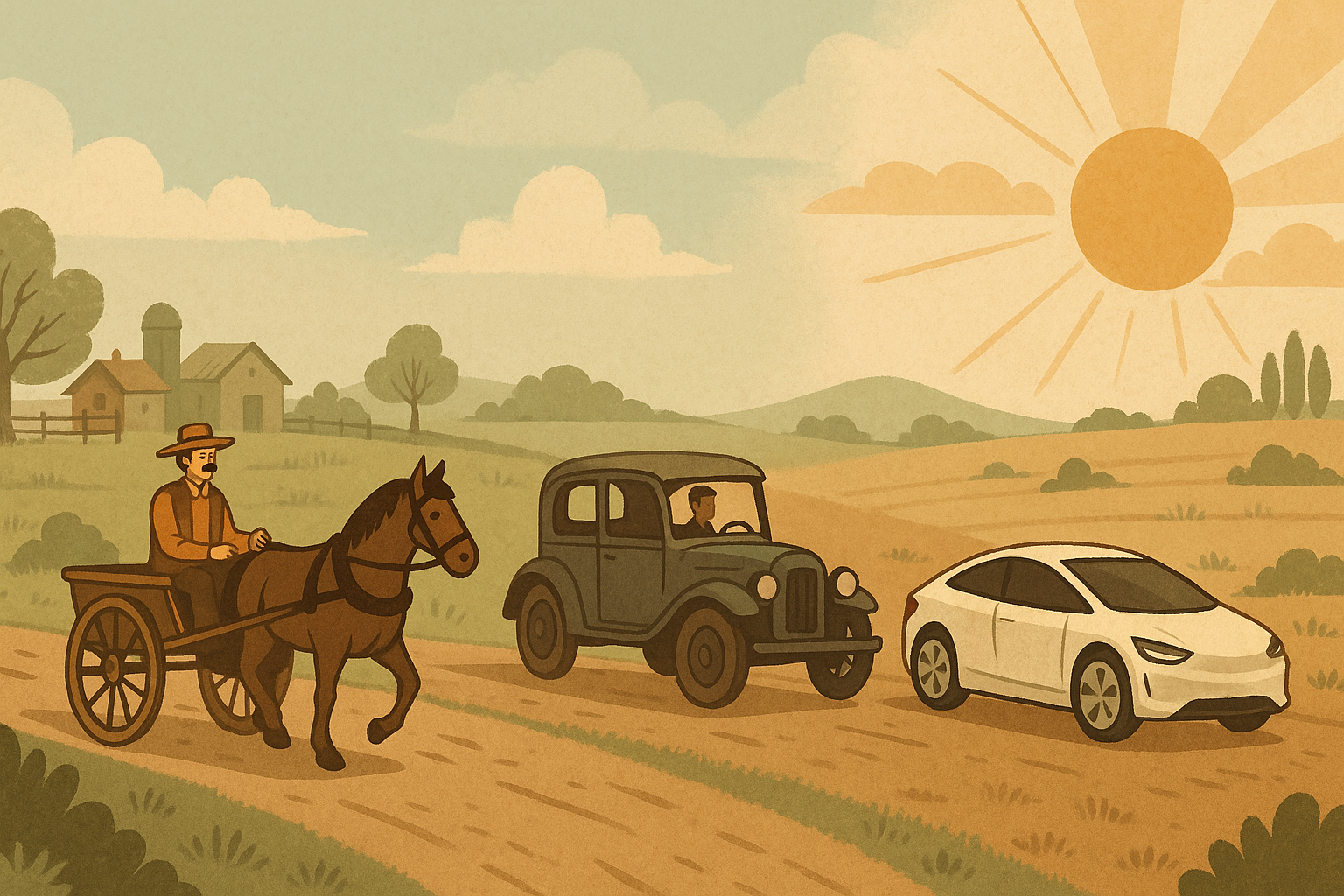
Fast forward to today — the job doesn’t exist anymore. Now, horse carts are only seen in a few cities as tourist attractions. They are not part of daily travel. Why did this happen? Why did horse riders lose their jobs so suddenly? Their job wasn’t simple, nor was it easy to replace. It didn’t disappear because of one invention. It was the result of full-scale industrialization.
Online maps removed the need to remember routes. The automotive industry put the horse inside the car — horsepower. No horse means no horse care. The skills of horse riders became easy for everyone to learn. Today, anyone can follow a map, drive a car, and do basic maintenance. These are no longer special skills.
When jobs become too easy, they are likely to disappear. If clients can build software on their own, software engineers aren’t needed. If tractors can manage farms, human labour is not needed. If cars drive themselves, drivers are not needed. If platforms offer ready-made designs, graphic designers are not needed. If tools auto-generate legal templates, many tasks of lawyers are not needed. If AI can diagnose based on symptoms, basic medical consultation may no longer need doctors. If news gets summarized in seconds, journalists lose their edge. And the list goes on. It’s not about how skilled you are. It’s about how close your skill is to the end-user. Society always tries to bring skills directly to consumers.
The farther the skills are from the consumer, the more expensive it is for the capitalist. So, it benefits them to transfer those skills directly to the consumer and remove the middleman. This transition has always been natural. Earlier, a shopkeeper would recommend products based on your preferences. Today, Amazon.com uses your past behavior and AI to make even more accurate product suggestions — no human involved. Similarly, booking a hotel once required a travel agent; now a few clicks on Airbnb or Booking.com can handle it. Previously, tax consultants helped with basic filings, but platforms like TurboTax now guide users directly. This trend isn’t new — it’s just accelerating.
What’s new is that with AI, the speed of this shift is much faster. Moving from horses to cars took centuries. Now, similar changes can happen in months or days. The pattern is the same.
What can you do? Try to watch for signs. If your job is becoming too easy, it may soon disappear. AI is making life easier in many ways. That’s good for consumers. But it’s not good for producers — people who use their skills to create products or services. I have written in detail about how AI is replacing producers. We can only hope we are alert enough to see the signs and prepare in time.
