
At 37, I’m still learning. As they say, there’s no age for learning. This is one of the first years when I didn’t write yearly goals in a diary. I didn’t want to limit my year to goals; instead, I wanted it to be free-flowing. From experience, I’ve learned that if you stay focused on your day-to-day life, you don’t necessarily need yearly goals. Besides, a year itself is a limiting construct—life doesn’t really work in 12-month spans; it unfolds one day at a time. If setting goals works for you, you can do it any day of the year.
To my surprise, even without specific goals, I’ve been doing well this year. In fact, I’m not just continuing my learning—I’m accelerating it. In this blog, I want to share what I’ve learned and how I started. These might seem like tiny goals in the grand scheme of things, but they mean a lot to me.
Skiing
Skiing taught me persistence and patience—it’s a sport that rewards consistency, endurance, and the courage to keep improving run after run.
I’ve been skiing since 2021 but never really felt confident. This year, I finally completed Blue and Black difficulty runs for the first time and did several solo runs—most of them alongside my wife, who also made great progress. What changed was my environment. I was surrounded by people who were good skiers, and being genuinely interested in the sport, I kept asking them for tips. One tip stuck with me: “You must do at least 10 sessions in a season.” For context, one session means traveling to the mountain, getting your gear, and skiing all day—it’s a strenuous activity. But I realized that it’s all about consistent practice. So I practiced, and I improved.
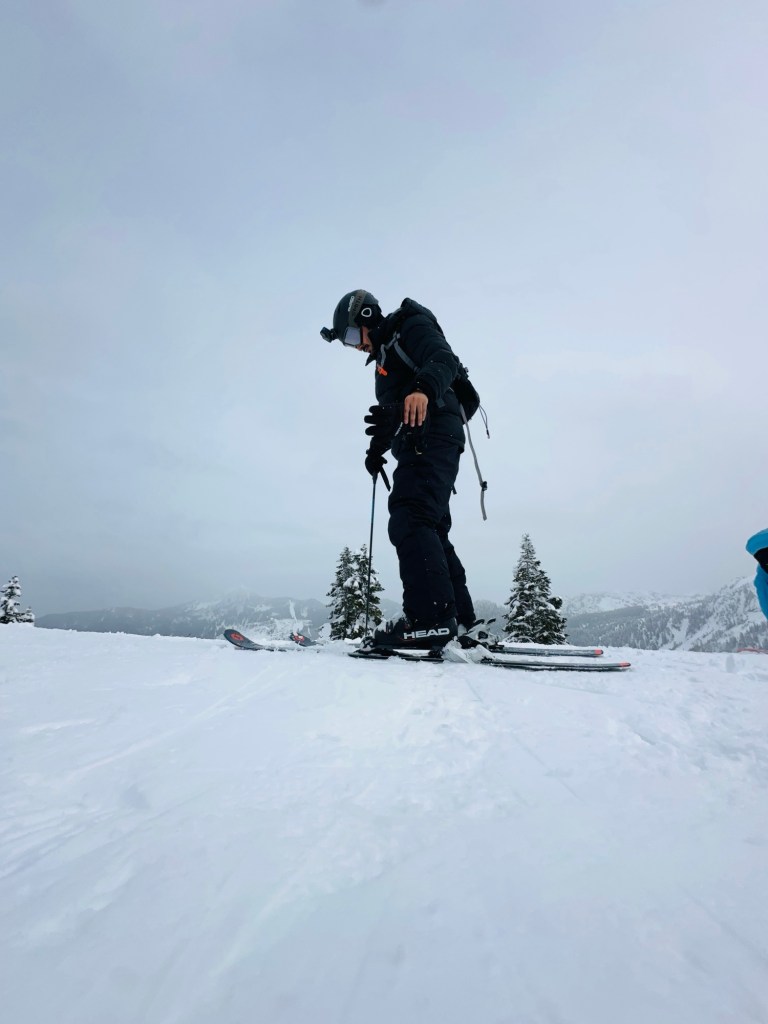
Skiing also taught me how to face fear. Being such a tough sport, I was often scared that I might worsen my already sensitive knee. That fear pushed me to learn the right technique—to ski efficiently without stressing the wrong joint. Over time, I realized that effortless skiing is all about proper form. It became almost spiritual: standing at the top of the mountain, skiing down as the wind brushed across my face, snow collecting on my clothes—it felt both fearful and exhilarating at once.
Here’s a glimpse from one of my most memorable ski days at Stevens Pass, where I spent the entire day doing Blue runs on both the front and back mountains. I covered nearly 20,000 ft of elevation—my highest ever—and it turned out to be my most productive ski day of 2025.
Chess
Chess has taught me patience and strategic thinking—it’s a slow, thoughtful game that rewards deep focus and foresight.
I got back into chess after watching The Queen’s Gambit on Netflix. I was fascinated by how much there is to learn in this beautiful game. I went back to Chess.com, started watching YouTube videos, and studied live and recorded games of the greats. I learned about openings, middle games, and endgames. It felt like I was learning chess for the first time, even though I’d been playing since childhood. Unlearning my old habits became an exciting part of the process. I even started taking learning tips from a 14-year-old FIDE-rated player. A true teacher, I realized, is simply someone who knows more than you about a subject. Fast forward several months—I’ve not only improved my game but also started watching world chess tournaments regularly. Chess keeps my mind sharp and active.
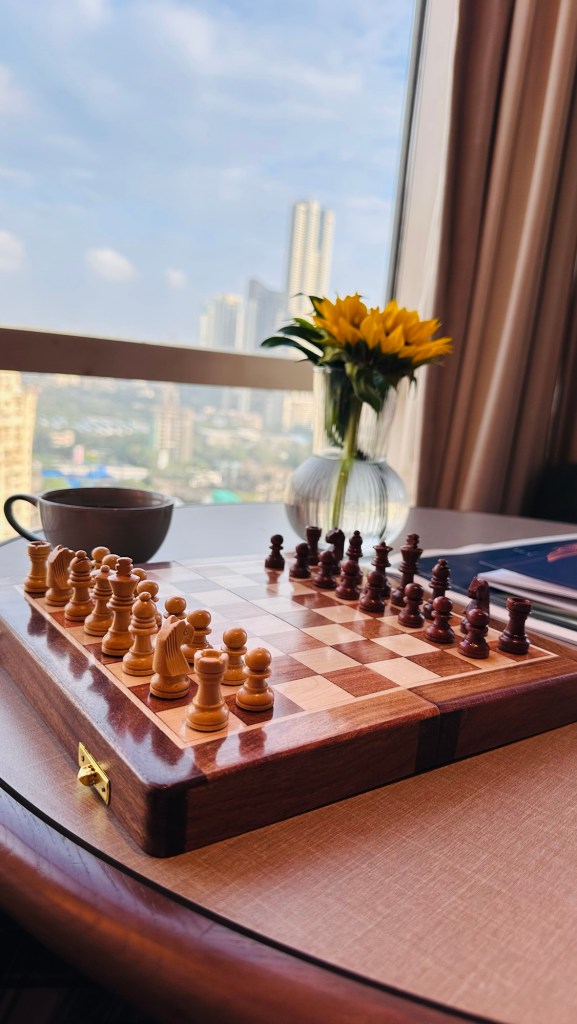
Chess also taught me that it’s its own world. Positioning is as important as material advantage. It teaches patience, mindfulness away from screens, and respect for great players. In a world driven by social media, spending time with chess feels like a healthy escape—a great distraction from endless, mindless scrolling.
Tennis
Tennis also reminded me of life’s bigger lessons—letting go of control, staying present, and embracing both wins and losses as part of the process.
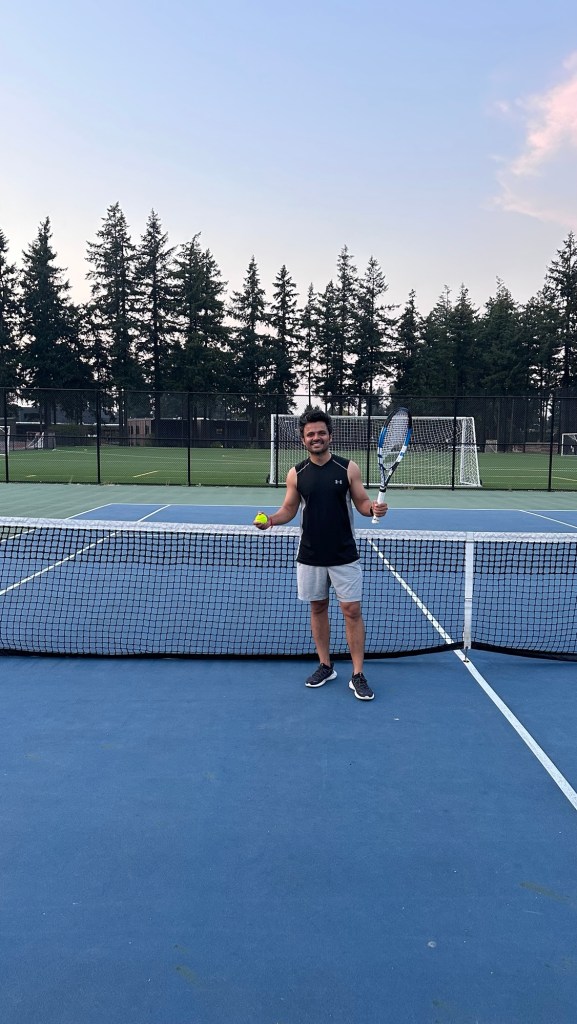
Tennis was a game I’d played only a couple of times years ago, thinking I already knew it. This year, I took a different approach—learning from a coach and focusing on practice. I took a few lessons to learn proper technique and played multiple one-hour sessions with friends, both singles and doubles. Many of those sessions were with my wife, who shares my enthusiasm for the game. Just as I started enjoying it, winter arrived, and outdoor practice had to pause. Still, I’m content with what I’ve learned this year. I never imagined tennis would become a game I genuinely enjoy. It’s similar to chess for me—where I used to avoid playing because I hated losing. Now I realize that the real joy lies in learning, not in worrying about winning or losing.
Lessons Beyond Sports
Learning at any age keeps life vibrant, curious, and deeply meaningful.
Across all the sports I’ve taken up, one thing stands out: the importance of a coach. Someone better than me who could guide, correct, and encourage. I wouldn’t have improved without them. But I also credit my curiosity for seeking people willing to share their knowledge. I found ski mentors at work and kept asking them questions—showing them my ski videos, asking for feedback, talking about technique nonstop. I called my nephew for chess tips and let him freely critique my play. I hired a professional tennis coach for formal lessons.
To grow, you have to let go of ego, keep an open mind, and trust your coach. Sports have taught me that lesson repeatedly. And interestingly, the confidence and humility you build through sports don’t just stay on the field—they start shaping how you live, learn, and grow in every other part of life.
Perhaps, that’s the real mark of learning—when it quietly transforms who you are, not just what you do.
