
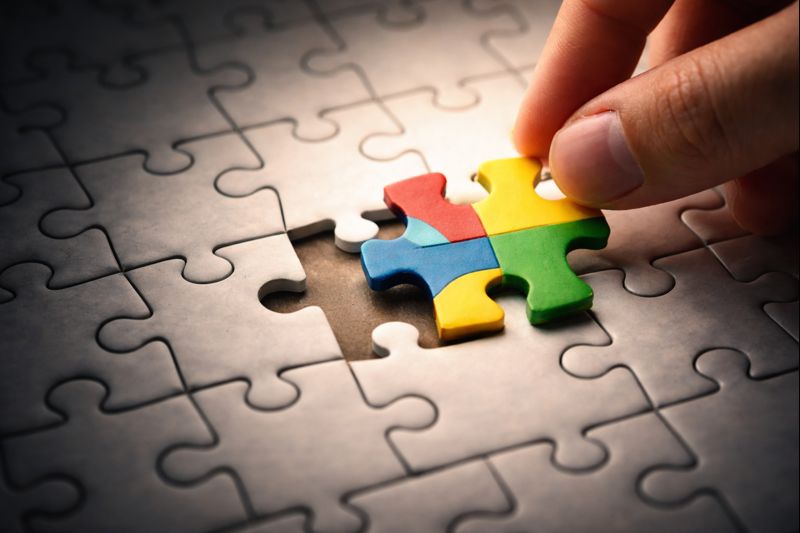
Exclusion is our default setting.
We include what feels familiar and exclude what challenges us—often without thinking. Hate is just the extreme form of this habit. There are no things that are inherently good or bad, yet we constantly filter the world through our likes and dislikes. Over time, these filters become beliefs. And we forget that our belief system itself is nothing more than an inheritance of previous generations’ inclusions and exclusions.
Discomfort is often mistaken for danger. Reason we exclude is fear. Our belief system is often not strong enough to face contrary ideas without getting attached or defensive. A non-drinker hesitating to visit a bar with friends; a person reluctant to explore practices of other religions; listening to opposing views in a candid conversation—if these situations make you uncomfortable, you naturally lean toward exclusion rather than inclusion.
Some may argue that inclusiveness is the same as love. But love is abstract; inclusiveness is actionable. You’ll notice that people who give freely are inclusive by default. They make others feel comfortable. They help others be at their best.There is a saying: help others find happiness—and you’ll find your own. Unfortunately, helping becomes difficult when you operate with rigid criteria—criteria for a certain kind of help, criteria to filter people, criteria to filter opportunities. I am not saying you should say yes to everything. Quite the opposite. Inclusiveness allows you to make a free choice—one that doesn’t have to end in a yes or a no. Wherever it leads, you can be sure you won’t regret it.
Adopting inclusiveness in life is actually simple. If you encounter a group with ideas different from those you learned during your upbringing, don’t shut them out—ask questions and show curiosity. If you’re assigned boring work at your workplace, don’t outright reject it—find a way to innovate and do it well. Through this approach, I have learned new things, discovered new sports, and made new friends. Overall, it has been the single most important practice that has helped me grow in my personal life.
Exclusion feels safe. Inclusion makes you grow.
