
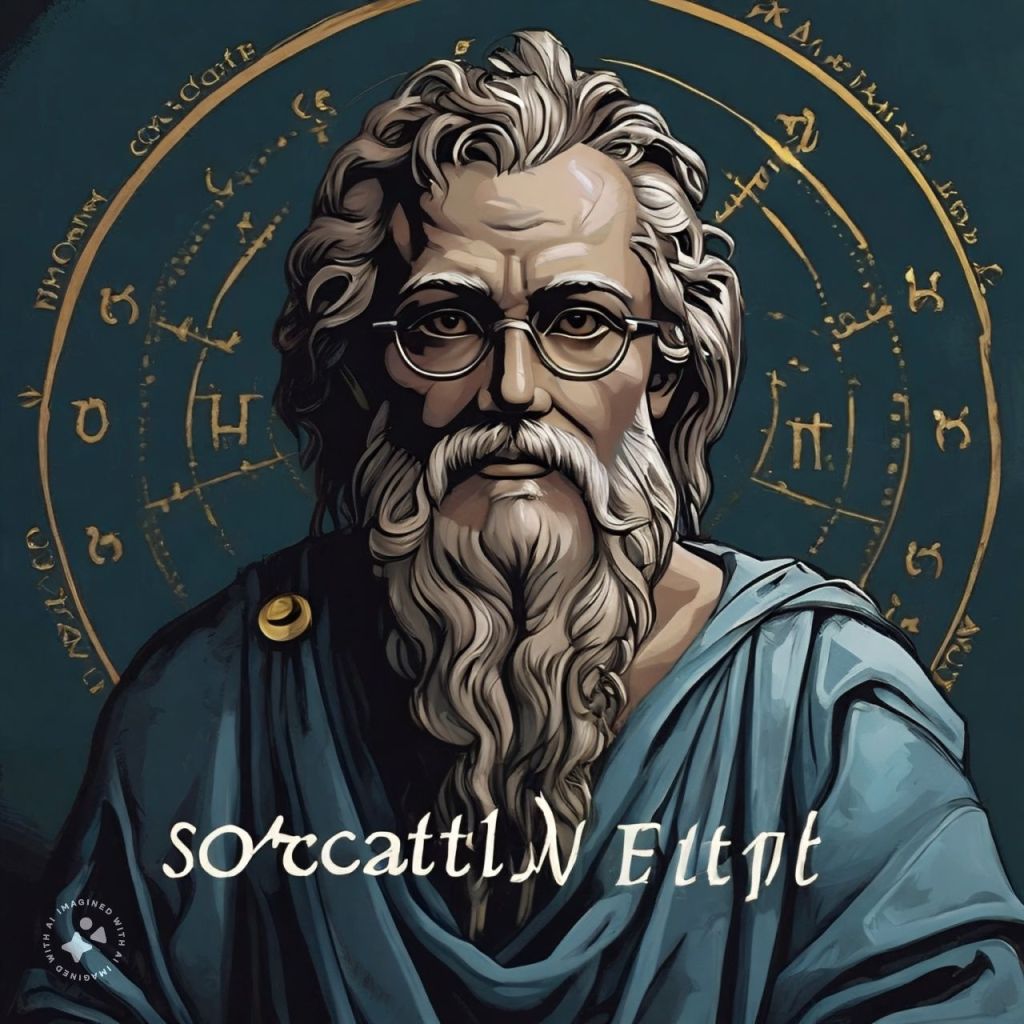
Around 2500 years ago in Athens, a philosopher named Socrates emerged, leaving an indelible mark on the history of philosophy and human thought. His contributions divided the timeline of philosophy into two distinct eras: Pre-Socrates and Post-Socrates. What set Socrates apart from his contemporaries was his unique approach to philosophical inquiry. In this article, we explore what made Socrates remarkable and why his philosophy remains relevant even after millennia of change.
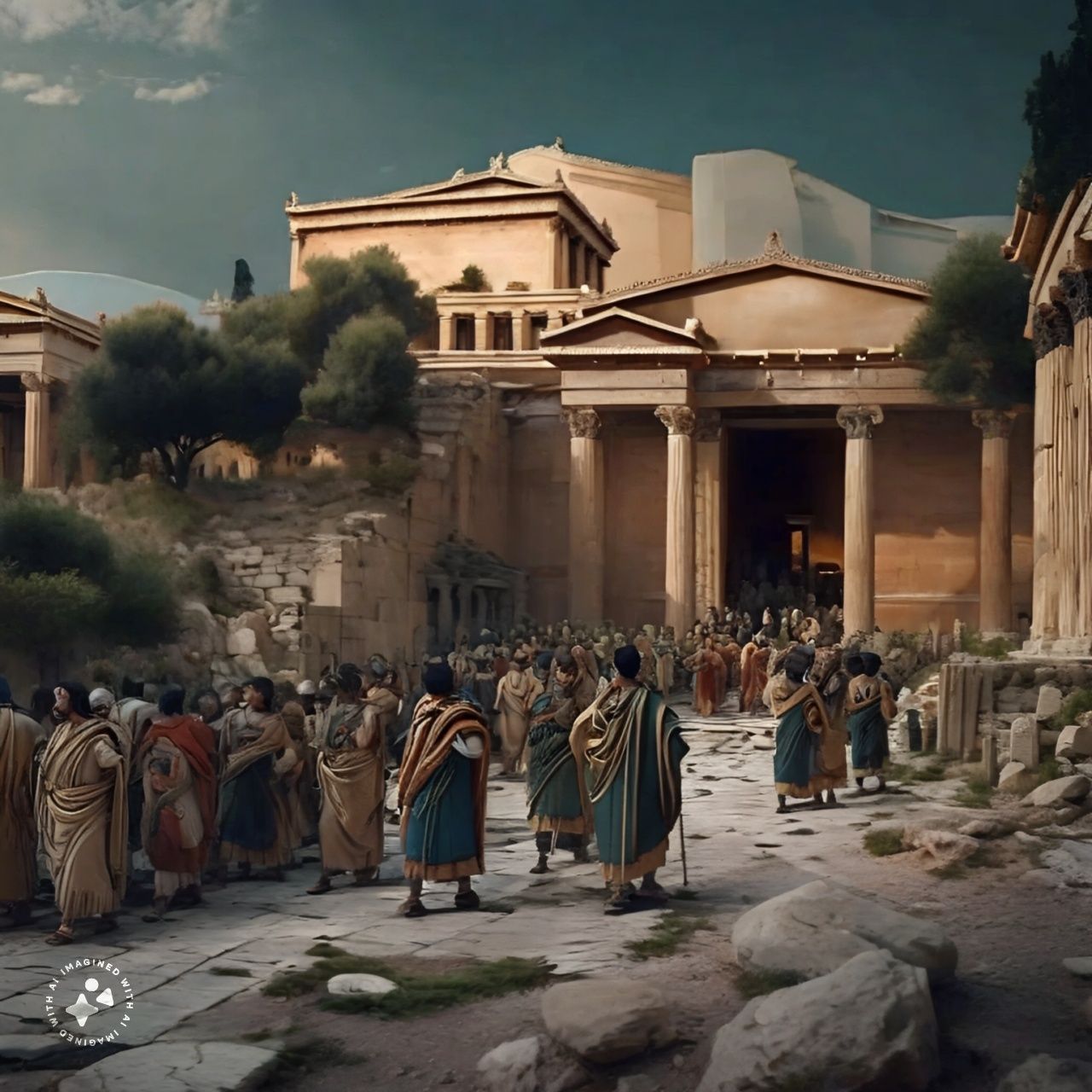
Socratic Method (Why is important than How)
The Socratic method, also known as Socratic questioning or elenchus, stands as one of Socrates’ enduring legacies. It involves engaging in a dialogue by posing a series of open-ended questions to stimulate critical thinking, challenge assumptions, and reach a deeper understanding of concepts, problems, or beliefs.
Consider this example: Two individuals are discussing the concept of justice. One asserts that justice means treating everyone the same way. Instead of immediately countering this view, a practitioner of the Socratic method might inquire:

- “What do you mean by treating everyone the same way?”
- “Do you think justice always entails treating everyone exactly the same, even in different situations?”
- “Can you think of situations where treating everyone the same might not be just?”
- “How do we determine fairness or justice in specific circumstances?”
- “Are there historical examples where justice was defined differently?”
By employing this method, Socrates’ followers encourage critical self-examination, helping individuals refine their understanding and engage in more nuanced discussions.
Key Takeaways
To fully appreciate Socrates’ philosophy, it’s important to be objective in our thinking. People often fear questioning their beliefs because they might uncover uncomfortable truths with no apparent solutions. However, remaining ignorant of the truth and living life dictated by others is a far greater fear. To benefit from the Socratic method, one must set aside biases and be truthful to oneself.
For instance, consider the importance of traditional schooling for children. Is it genuinely the best medium of education, or do we follow it simply because it’s the norm? A truthful inquiry may lead to the conclusion that education matters more than the traditional school system, and better alternatives may exist. Similarly, questioning whether dedicating a substantial portion of life to work for someone else is necessary for happiness challenges the modern status quo.
In every decision, big or small, it’s essential to question societal norms and recognize that what works for the majority may not work for everyone. Socrates’ simple yet profound method of inquiry has shown that the truth lies in the questions we ask, not necessarily in the answers we seek. As we navigate an ever-changing world, the lessons of Socrates continue to empower us to think critically, seek wisdom, and live authentic lives.

One response to “Socratic Method: Philosophy 101”
[…] have to learn a lot about History of the planet and civilization to appreciate where we are, to question everything and apply First Principal wherever they […]
LikeLike