
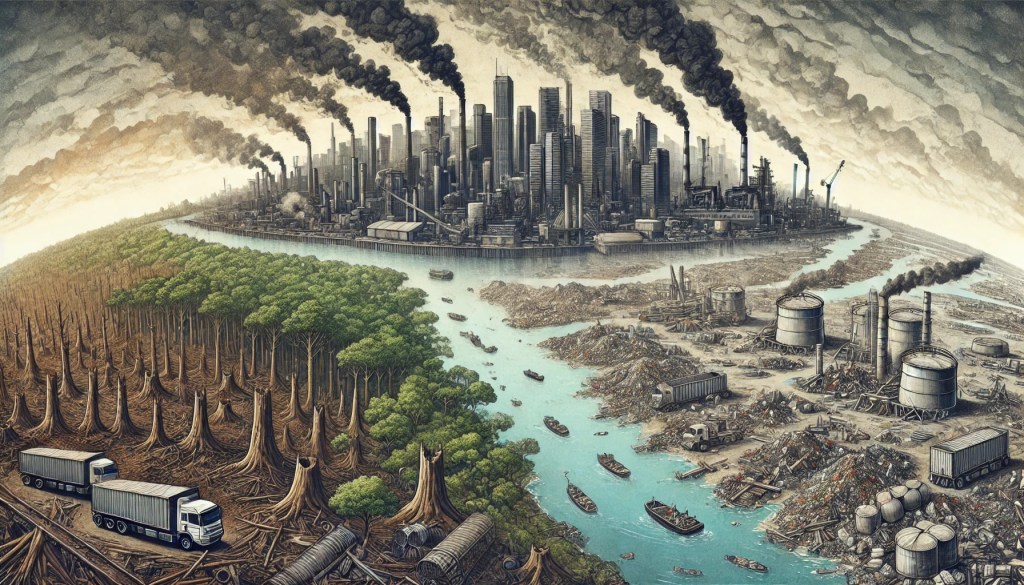
You do not need to learn about climate change at all if you already know the right way of living. However, the “right way of living” is vague and subjective. Many historical, philosophical, and scientific texts have tried—and failed—to bring all of humanity to a consensus on what the “right” way of living truly is.
Climate change, on the other hand, offers something unique: it is a living, measurable example providing concrete evidence that the Earth is not the same as it was 40 years ago. It demonstrates that our actions, both individual and collective, have long-lasting consequences. If ignored, these consequences could render the planet unlivable for future generations. Climate change affects all living species on Earth, making it a critical topic to understand—especially if you do not already have clarity on the “right” way to live.
Why Start with Climate Change?
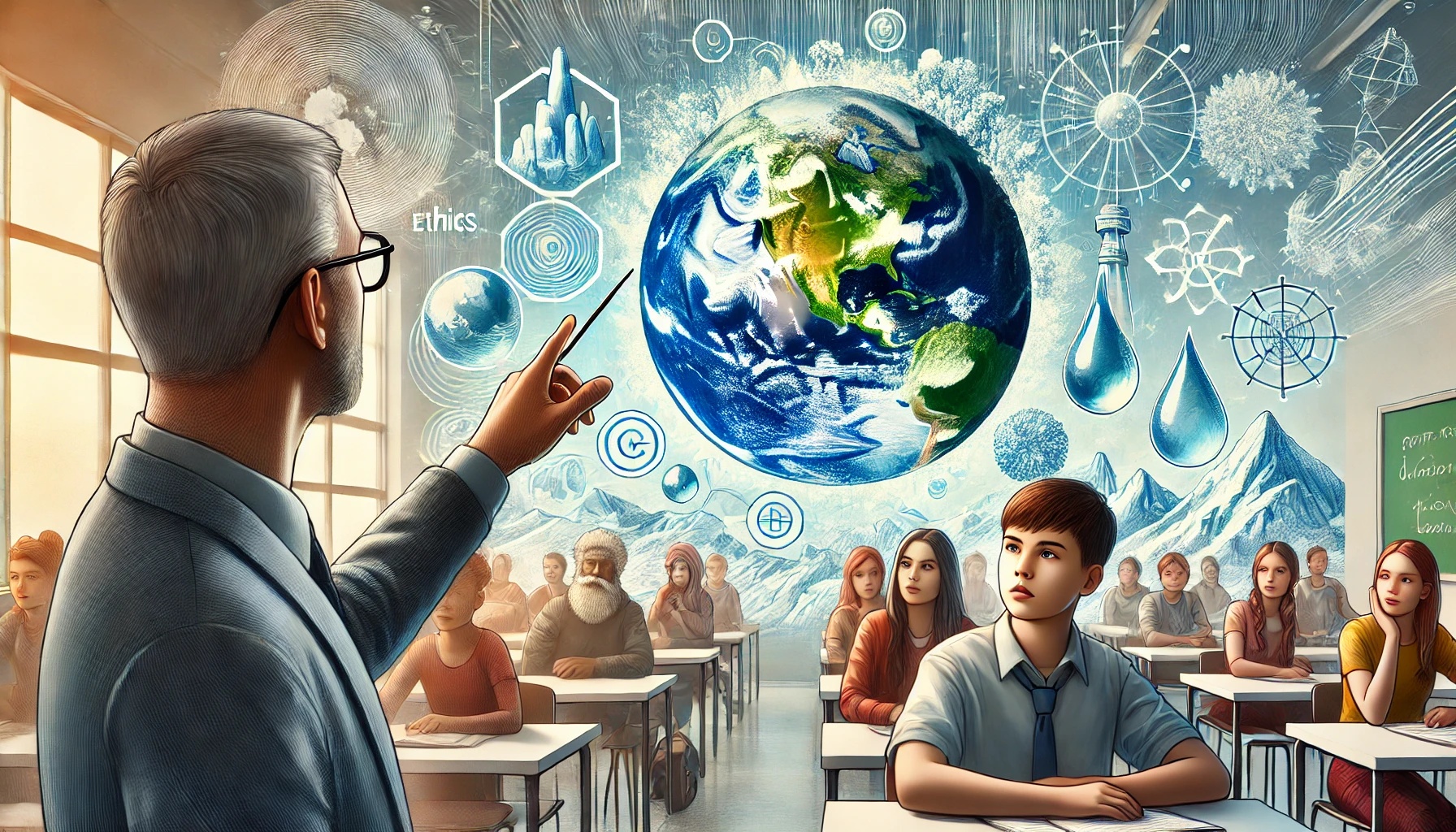
Learning about climate change serves as a practical starting point in our journey toward living a balanced, meaningful life. Here are a few reasons why:
- A Tangible Example: Unlike the abstract debate surrounding the “right way of living,” climate change is grounded in evidence. Rising global temperatures, melting ice caps, extreme weather events—these are measurable phenomena that can help us connect our actions to their outcomes.
- A Popular Conversation: Climate change is already a prominent topic in books, media, and movies. The message is everywhere, and it is impossible to ignore how it might directly impact your life—through weather patterns, food security, or even social stability.
- A Mirror to Our Lifestyles: Understanding climate change allows us to see how our individual choices and societal systems contribute to larger global issues. It’s a way to reverse engineer our current reality and uncover the actions that led us here.
- A Lesson in Justice: Climate change also highlights inequities. Economically poorer societies are often disproportionately affected by the actions of wealthier nations. It forces us to confront uncomfortable truths about privilege, responsibility, and fairness.
A Pathway, Not the Destination
While learning about climate change, it is essential to remember that it is not the ultimate truth but a pathway toward understanding the right way of living. Climate change offers us clues—it’s a result that allows us to trace back to its causes. By doing so, we can begin to predict what else might happen and, ultimately, define what “right” means for ourselves.
Knowledge Before Action
I do not expect you to take immediate action after learning about climate change. Action driven by urgency or guilt is often unsustainable. Instead, I urge you to simply know. Once you have the right knowledge, you will naturally evaluate where you stand. If changes are needed in your life or surroundings, those changes will happen organically.
Learn about climate change not because you are told to act but because you deserve to understand. Action will follow when the right knowledge comes to you.
The Bigger Picture
Climate change is not the problem—it is a symptom. Understanding it helps us dig deeper into the systems, behaviors, and beliefs that have brought us here. In doing so, we are not just addressing one issue but gaining the tools to redefine what it means to live a truly balanced life. The journey to the “right way of living” is ongoing, but climate change is a powerful place to start.
A Question for You
What if technology discovered multiple Earths or advanced to remove all carbon, completely eliminating the concern of climate change? Then, what choices would you make if climate change is not a concern at all?
