
-
Just Do It Anyways

The author reflects on the struggle between overthinking and taking action, emphasizing that one can engage in beneficial activities despite disliking them. By illustrating personal experiences like attending classes and skiing, the message is clear: taking action, even when hesitant, fosters growth and helps develop positive habits, reducing future regret.
-
Digital Addiction and Child Growth: What Parents Must Understand
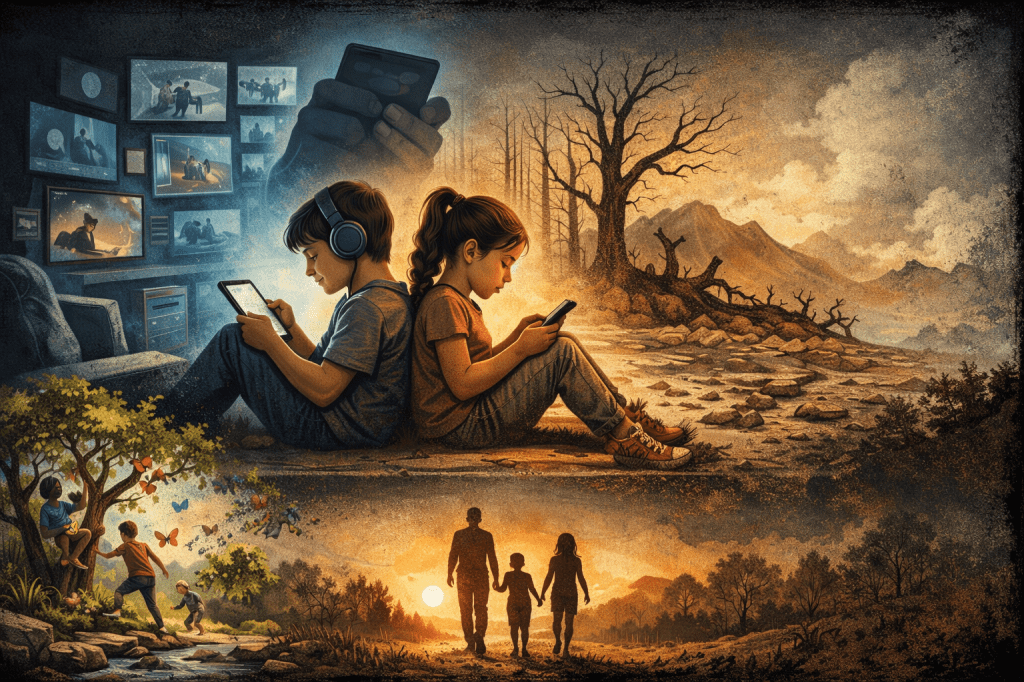
I recently watched two 10-year-old kids sitting together in a room. They were physically close, yet completely disconnected—both on their own devices. No conversation. No play. No curiosity about each other’s presence. What worried me was not just the silence, but how normal it seemed to them. I had to enter the room deliberately to…
-
How Technology Quietly Changes Human Behavior

Technology alters human behavior not by force, but by redefining norms that replace conscious choices with defaults. This shift toward convenience leads to automatic behaviors, affecting attention and decision-making. As speed takes precedence over depth, people may feel overwhelmed. Recognizing these changes can help restore a sense of agency and contentment.
-
Inclusiveness Is an Action

Exclusion often stems from fear and familiarity, leading to rigid beliefs shaped by past generations. Discomfort can prompt us to exclude rather than include. Embracing inclusiveness encourages curiosity and growth, helping us to overcome our biases and discover new experiences. Ultimately, inclusion enriches our lives more than exclusion.
-
Philosophy of Limited Resources

This blog encourages readers to live intentionally by recognizing the limitations of resources such as time, experiences, and opportunities. It emphasizes that a fulfilling life stems from mindful decision-making and prioritizing rare moments. Instead of following the crowd, individuals should carve their own paths to fully embrace life’s limited offerings and act on them promptly.
-
Stop Postponing Life: Live Fully Today

We tend to prepare too much for life while forgetting to actually live it. We generate wealth for future generations, learn from gurus how to live a good life, compromise peace today to guarantee peace tomorrow, and do work we dislike to secure a “safe” future. But has it ever occurred to you that you…
-
The Only Resolution You Need in 2026
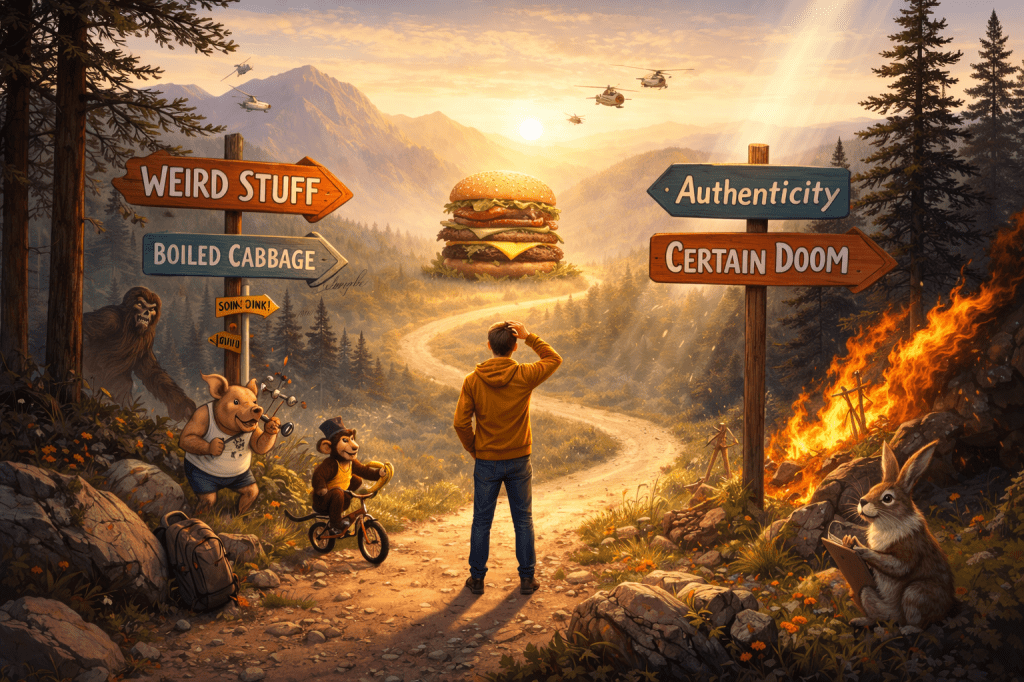
A self-aware life is roughly forty years long. It feels unfair to decide its direction just once a year in the form of goals. If I were good at math, that would mean forty goals—allowing life to take forty turns. Yet we are barely scratching the surface of our untapped potential. Most yearly goals are…
-
Reflecting on My 2025 Reading Journey
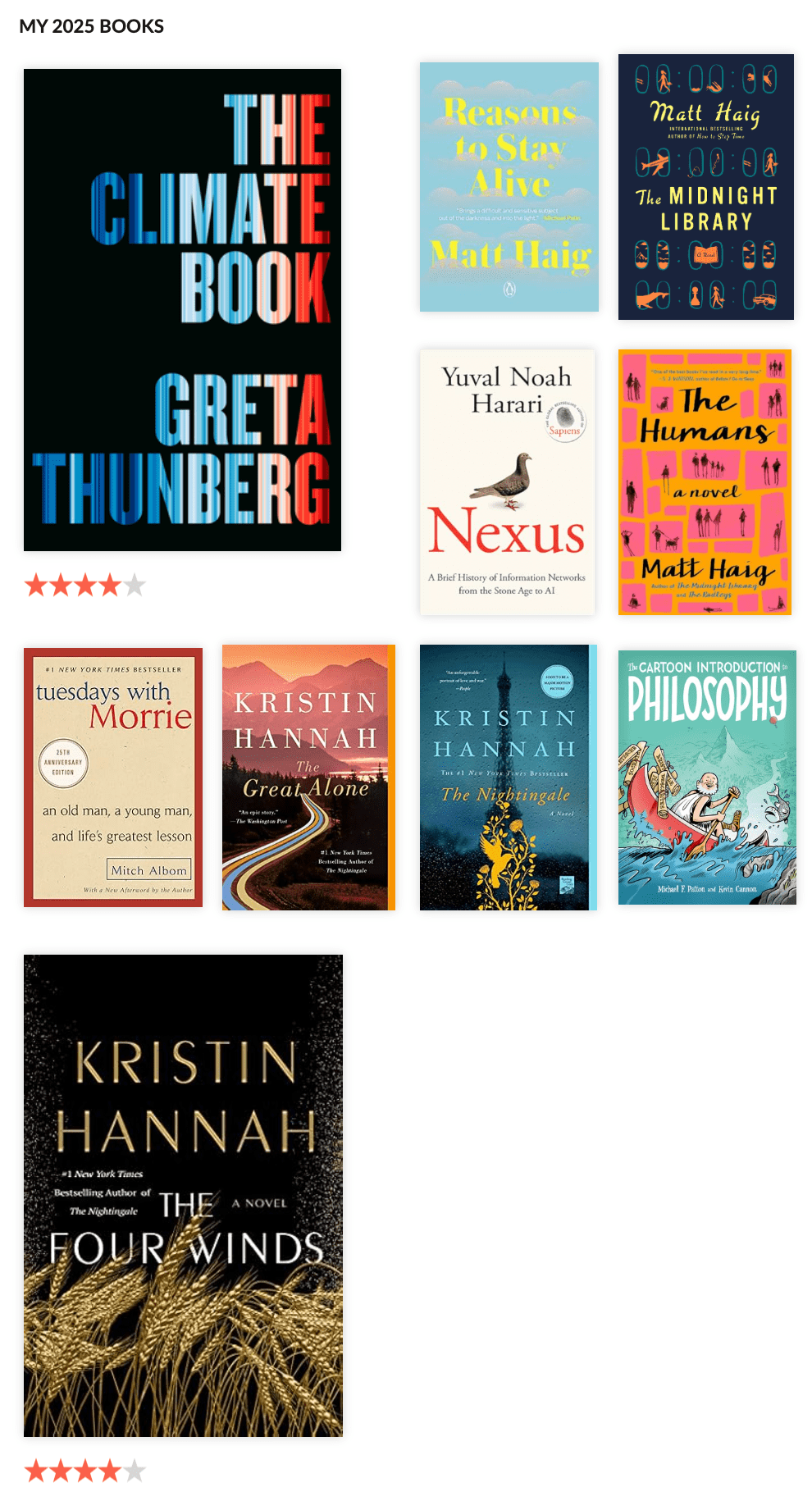
This year, I discovered fiction’s profound lessons, especially through Kristin Hannah and Matt Haig’s works, which delve into themes of life, empowerment, and personal struggles. My reading evolved from non-fiction to rich narratives, blending history and philosophy. I also emphasize Greta Thunberg’s The Climate Book for its critical information on climate change.
-
15 years of wisdom: Do not live on autopilot
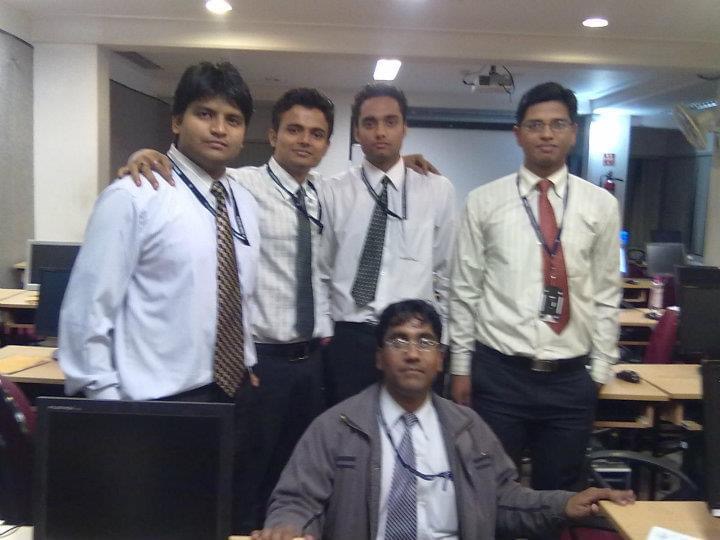
In December 2025, I reflected on my 15 years in software development, emphasizing the importance of living intentionally rather than on autopilot. Making intentional choices about projects and personal development has enriched my career. I advocate for conscious decision-making to enhance professional fulfillment and growth, shaping a rewarding work life.
-
On Satisfaction and Peace

The post presents the idea that true satisfaction comes from within and doesn’t require changing the world. A satisfied person finds peace in clarity and meaningful actions, while dissatisfaction drives others to seek change. Authentic living, self-awareness, and genuine choices lead to fulfillment, reducing unnecessary stress and promoting peace.
