
-
Effort Used to Be the Filter

I don’t think anyone chooses to become extreme. That is what makes this worth writing about. Nobody wakes up and decides to move further from the middle. And yet almost everyone I read online seems to have drifted somewhere — far right, far left, certain. Here is what I think is happening. The algorithm does…
-
The First Run
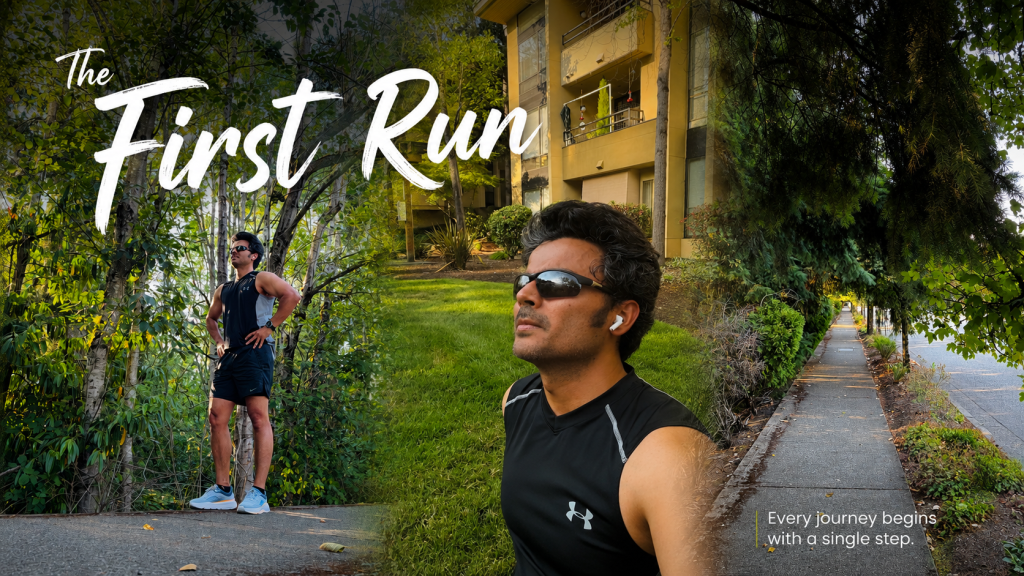
Learning to Run All Over Again Two days ago, I jogged 100 meters. That’s it. One hundred meters — after four months of not running at all. And for someone like me, that felt like a big deal. I’ve run two half marathons and several 10Ks. I even wrote a blog a couple of years…
-
Why Reading Is Disappearing from Childhood

Alex, frustrated with his son’s lack of interest in reading, reflects on his own long absence from books. During a picnic, he realizes many parents share this issue. Determined to change, he begins reading again, inspiring his son to join him. Together, they discover the power of example in parenting.
-
The Beach Day: A Story
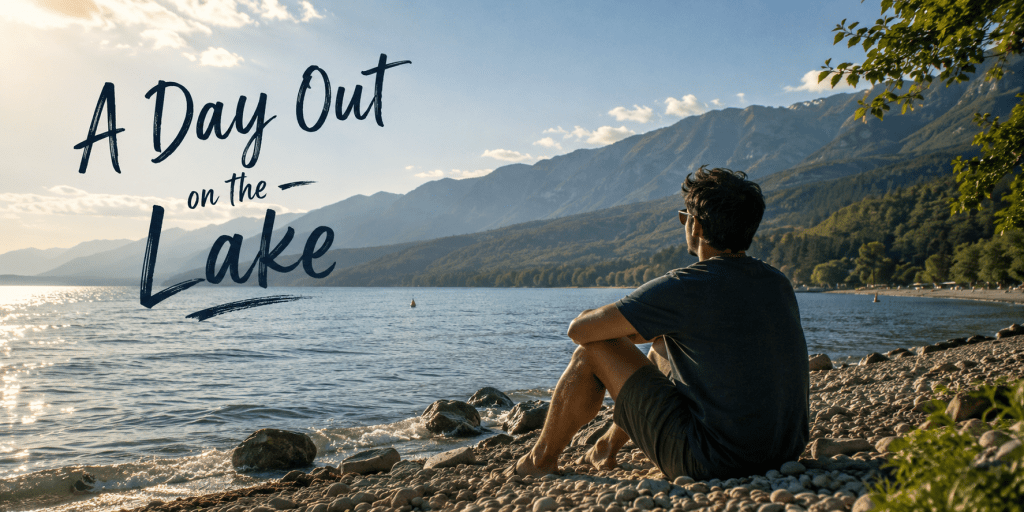
After a repetitive workweek, a man yearns for adventure and drives to a lake, only to realize he forgot his bags with essentials. Initially disappointed, he chooses to embrace the moment, swimming in the lake and enjoying simple pleasures. This experience reveals that fulfilling days can arise from unexpected circumstances.
-
You Can Find Time If You Want To
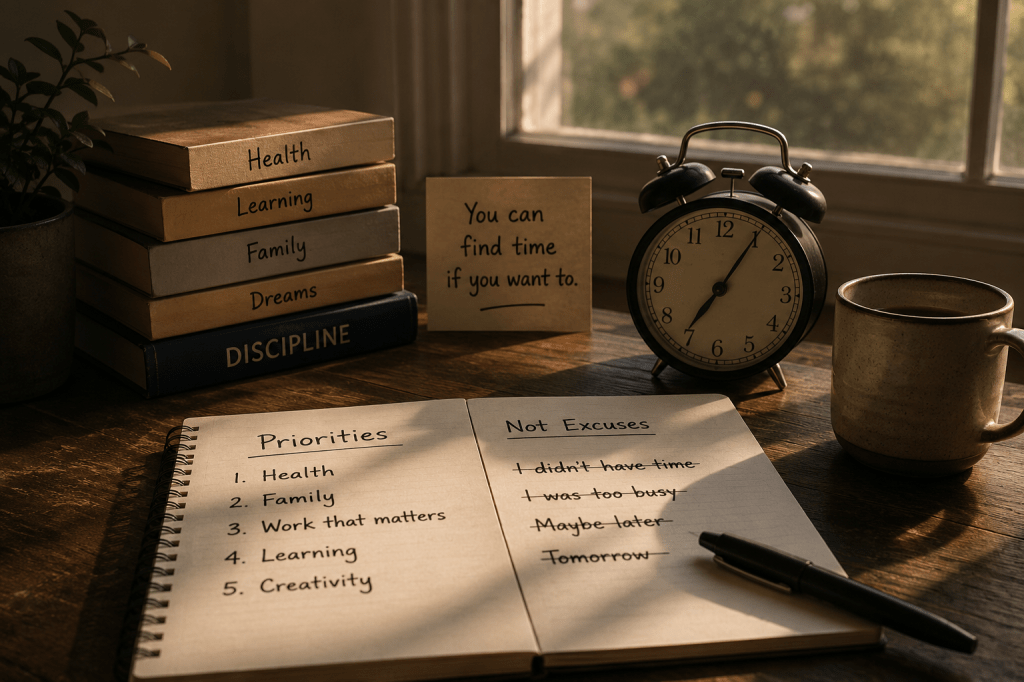
“I didn’t have time.” It’s probably one of the most common excuses we hear—and one of the strangest. If you pause and think about it, time wasn’t taken away from us. Every one of us gets the same twenty-four hours. What we usually mean is something else: “I didn’t prioritize it.” That sentence is less…
-
The Last Job AI Can’t Take
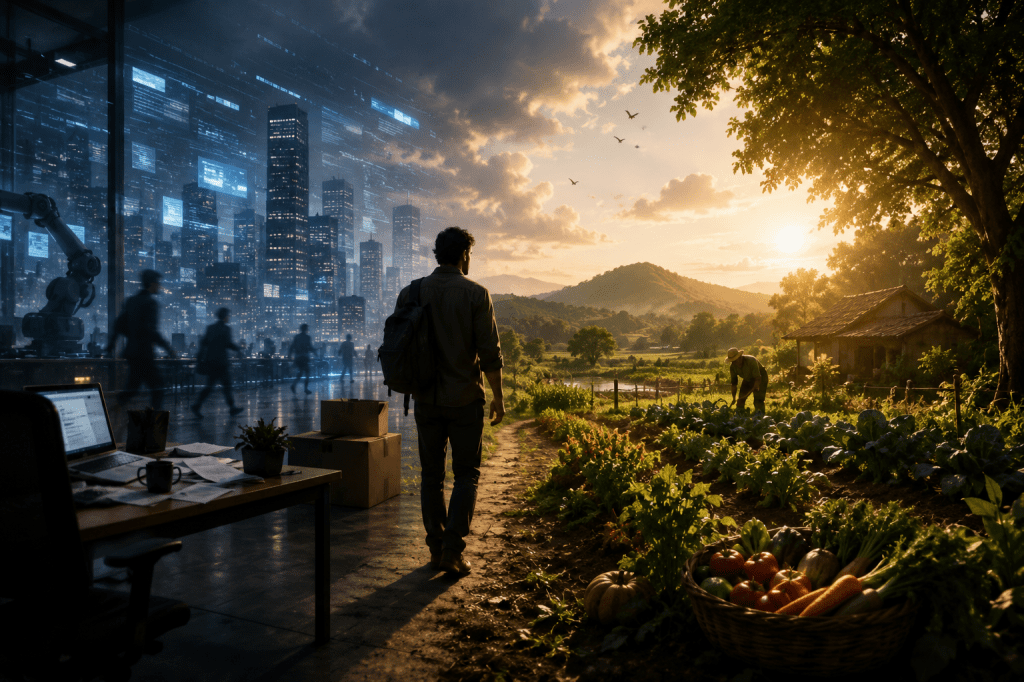
A few decades ago, the world sped up and we were happy to run. The dot-com years pulled us online, and it felt like progress — faster work, faster money, faster everything. We didn’t mind. We chose it. But the speed never settled. It only compounded. Now AI is accelerating life faster than we can…
-
The Stories We Live By

It matters what story you tell yourself. That story eventually becomes a fundamental truth—a philosophy for your life. It gives you a reason, and maybe even a meaning, to live. I call it a story because no one truly knows the truth. Philosophers, scientists, religious thinkers, and rulers have spent centuries trying to understand reality.…
-
Finding Mojo back

More than a decade ago, I read a book called Mojo. The book was about finding your mojo back—finding your inspiration, energy, or perhaps even yourself again. At the time, I did not understand the premise. How could someone lose their mojo in the first place? I felt completely connected to who I was. The…
-
Hope Is Underrated
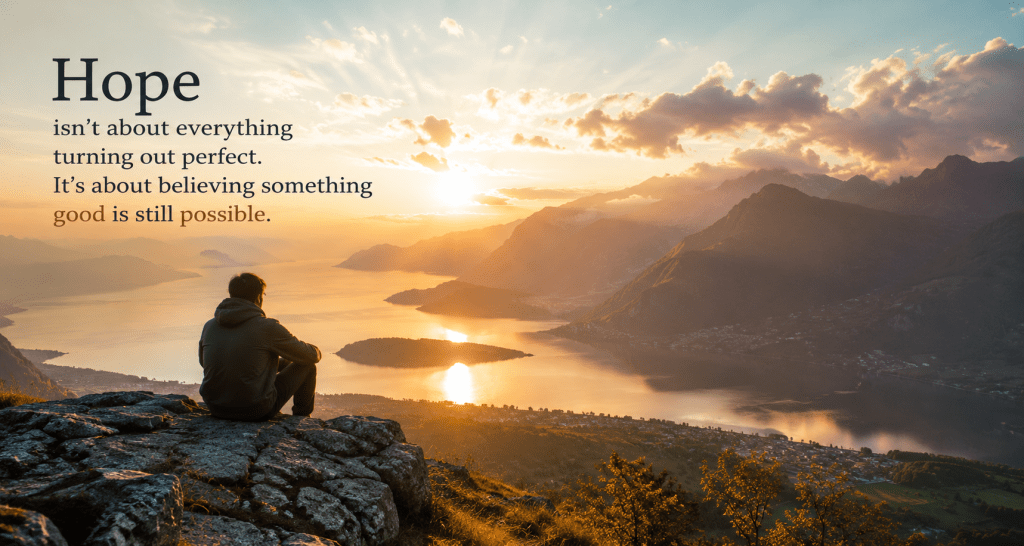
We hit the gym because we hope to feel better. We brush our teeth because we hope to smell better. We take a bath because we hope to feel fresh. These don’t feel like hope because they almost always work. But they are still hope—just backed by strong evidence. When hope repeats enough times, we…
-
Seattle to vegas roadtrip
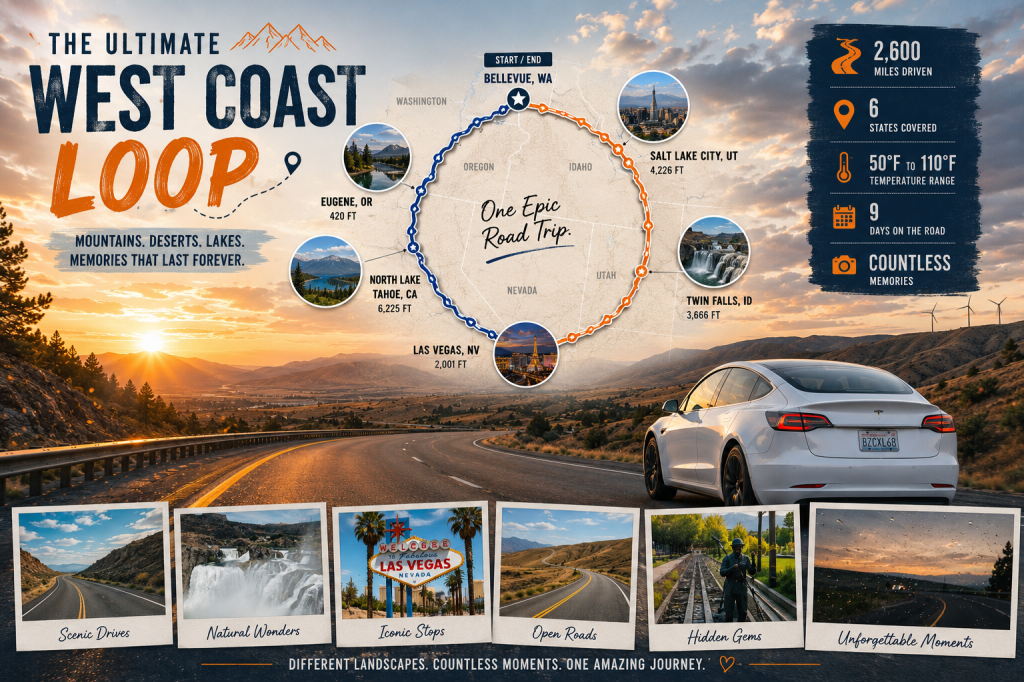
We completed our third major road trip in the United States. Roughly 2,600 miles, 6 states, temperatures ranging from 40°F to 110°F, and our longest single-day drive touching nearly 850 miles. It was a combination of mountain towns, isolated highways, state parks, deserts, and cities — though the center of the trip was clearly Las…
